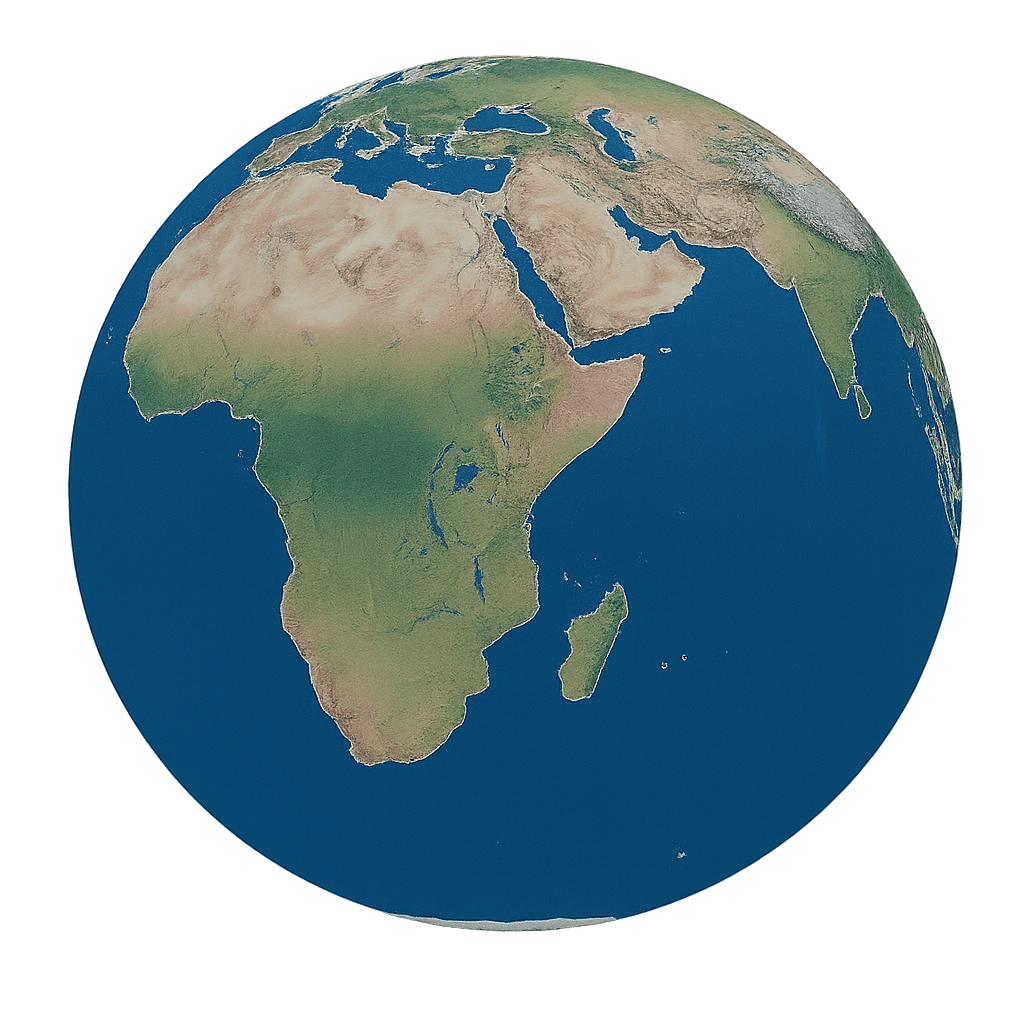
AGP Executive Report
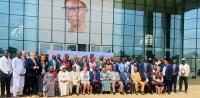
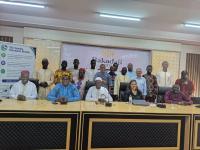
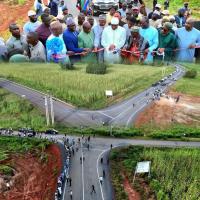
Last update: 8 hours agoRural Roads: President Adama Barrow opened the 14-kilometre Demba Kunda–Basse road, improving access to markets and services in the Upper River Region. Earlier, a D1.9 billion project delivered 102 kilometres of roads linking 29 Lower River Region communities to the Trans-Gambia corridor. Agriculture: The Gambia Standards Bureau validated draft standards for organic fertilizers, aiming to improve product quality, support smallholder farmers and encourage waste-to-fertilizer production. Public Finances: The 2027 budget projects D56.94 billion in revenue and grants, with growth expected to be driven partly by agriculture, agro-processing and infrastructure. The government also spent D785 million on diesel subsidies from March to September to cushion rising fuel prices. Trade and Logistics: Alport Gambia and Zakat Foundation of America are exploring a partnership to speed humanitarian aid deliveries, following port improvements that reportedly cut ship-unloading time from 197 hours to 17.
Note: AI summary from news headlines; neutral sources weighted more to help reduce bias in the result. Feedback is welcome. Please let us know if you have any comments or suggestions about the AGP Executive Report.
 Perspectify News